
How Cruise Lines Take Cyber-Threat Seriously

Nowadays, everything is done online. From checking your work schedule to finding a cruise line, the internet is one of the most essential tools in today’s time. However, like with anything else, there’s a downside with having an online presence, and that is the possibility of a cyber security attack. This type of attack can happen to anyone, especially with cruise lines holding hundreds of thousands of information from different people all over the world.
For this article, we’ll discuss how cruise lines are staying safe against the threat of cyber security attacks. We’ll take a look at the different precautions that they implement to ensure the guest’s privacy and sensitive information are well-protected. We’ll also find out the most common ways cyber criminals steal information specifically from cruise passengers, or even from cruise lines. Learning all of these can help you remain informed and guarded throughout your entire cruise trip.
Understanding the Need for an Effective Cyber Security System
In today’s cruise industry, ships are essentially floating smart cities. They rely on interconnected systems for navigation, propulsion, reservations, onboard spending, entertainment, and satellite communications. With so much technology working simultaneously, a robust cybersecurity system is not optional. It is essential. Here are eight major benefits cruise lines gain from investing in strong cyber defenses.
Protection of Critical Ship Operations
Cruise ships depend on highly sophisticated operational systems, including navigation controls, engine management, and safety monitoring tools. A robust cybersecurity system protects these mission-critical technologies from unauthorized access or manipulation. By isolating and defending operational networks, cruise lines significantly reduce the risk of disruptions that could impact sailing routes, port schedules, or onboard safety. Strong protection ensures that essential systems remain stable, reliable, and secure throughout the voyage.
Safeguarding Passenger Data and Privacy
Cruise lines collect sensitive guest information such as passport details, payment data, travel itineraries, and loyalty program records. An effective cybersecurity framework encrypts this information and restricts unauthorized access, protecting passengers from identity theft and financial fraud. When guests trust that their personal data is handled securely, it strengthens their confidence in the brand and enhances the overall cruise experience.
Prevention of Financial Losses
Cyberattacks can result in significant financial damage through fraud, ransomware payments, regulatory fines, and operational downtime. A strong cybersecurity system reduces these risks by identifying vulnerabilities early and blocking malicious activity before it spreads. By preventing costly breaches, cruise companies protect their revenue streams and avoid the ripple effects that can impact bookings, partnerships, and investor confidence.
Preservation of Brand Reputation
Reputation is everything in the travel industry. A single high-profile data breach can lead to negative media coverage and long-term damage to customer trust. Robust cybersecurity helps cruise lines avoid incidents that could harm their public image. By demonstrating a proactive commitment to digital security, companies reinforce their credibility and reassure travelers that their safety, both physical and digital, is a top priority.
Compliance With International Regulations
Cruise ships operate globally and must comply with various international data protection and maritime cybersecurity regulations. A comprehensive cybersecurity system ensures adherence to laws governing data privacy, financial transactions, and digital operations. Staying compliant reduces the risk of legal penalties and operational restrictions, particularly when sailing across multiple jurisdictions with differing regulatory standards.
Continuous Business Operations
Cruise ships operate 24 hours a day across different time zones, and even minor disruptions can affect thousands of guests. A robust cybersecurity system includes monitoring, backup infrastructure, and rapid response protocols that allow operations to continue smoothly even during attempted attacks. This resilience ensures booking systems, onboard payments, communications, and guest services remain functional without noticeable interruption.
Strengthened Defense Against Evolving Threats
Cyber threats constantly evolve, becoming more sophisticated each year. An effective cybersecurity system includes real-time monitoring, threat intelligence, and regular updates to stay ahead of emerging risks. For cruise lines, this proactive defense is critical because ships rely on satellite connectivity and global networks that can attract attention from cybercriminals. Staying ahead of new attack methods helps prevent vulnerabilities from being exploited.
Increased Confidence Among Stakeholders
Strong cybersecurity does not only protect guests. It also reassures investors, partners, port authorities, and insurance providers. When cruise lines demonstrate advanced digital protections, it signals operational maturity and risk awareness. This confidence supports long-term partnerships, smoother regulatory relationships, and overall industry credibility, which are all vital in a highly competitive global market.
Different Ways Cruise Lines Protect Themselves Against Cyber Security Threats
Behind the scenes of every seamless sailing is a powerful digital defense system working around the clock. While guests enjoy ocean views and onboard experiences, cruise lines are investing heavily in sophisticated cybersecurity strategies to protect their ships, systems, and sensitive data from evolving online threats.
1. Network Segmentation Between Critical Systems
One of the most important safeguards is separating networks. Navigation systems, engine controls, crew operations, and guest Wi-Fi are placed on different, isolated networks.
This means if a hacker somehow gains access to a guest internet connection, they cannot easily jump over to the ship’s operational systems. It’s like having watertight compartments in a ship. If one area floods, the entire vessel does not go down. Segmentation dramatically reduces the risk of a single breach compromising critical ship functions.
2. Advanced Firewalls and Intrusion Detection Systems
Cruise lines deploy enterprise-grade firewalls to filter incoming and outgoing traffic. These systems block suspicious IP addresses, unusual data patterns, and known malicious activity before it can penetrate internal networks.
On top of that, intrusion detection and intrusion prevention systems continuously monitor traffic in real time. If abnormal behavior is detected, such as large data transfers or unauthorized access attempts, the system alerts security teams immediately or automatically shuts down the threat.
3. Multi-Factor Authentication (MFA)
Passwords alone are no longer enough. Cruise companies implement multi-factor authentication for crew access to internal systems, financial platforms, and sensitive databases.
MFA requires users to verify their identity through additional steps, such as a temporary code sent to a device or biometric verification. Even if a password is stolen, attackers still cannot access the system without that second verification layer.
4. Encryption of Sensitive Data
Encryption ensures that even if data is intercepted, it cannot be read without the proper decryption keys. Cruise lines encrypt sensitive information such as payment details, passport information, loyalty data, and onboard transactions.
Data is encrypted both “in transit” when being transmitted and “at rest” when stored in databases. This protects guests and the company from financial fraud and identity theft.
5. Regular Software Updates and Patch Management
Outdated software is a hacker’s favorite target. Cruise lines maintain strict patch management policies to ensure systems are updated with the latest security fixes.
These updates close vulnerabilities that cybercriminals actively scan for. Whether it’s onboard point-of-sale systems or corporate reservation platforms, regular updates significantly reduce exposure to known exploits.
6. 24/7 Security Operations Centers (SOCs)
Many major cruise lines operate or partner with Security Operations Centers that monitor their systems around the clock.
Cybersecurity teams analyze alerts, investigate suspicious activity, and respond immediately to potential breaches. Since cruise ships operate globally across time zones, continuous monitoring ensures threats are addressed in real time rather than discovered days later.
7. Crew Cybersecurity Training
Human error remains one of the biggest security risks. Cruise lines invest in cybersecurity awareness training for crew members and corporate staff.
Employees are taught how to recognize phishing emails, avoid suspicious downloads, use secure passwords, and report unusual activity. Turning crew members into a first line of defense dramatically lowers the risk of social engineering attacks.
8. Third-Party Security Audits and Penetration Testing
Cruise lines regularly hire cybersecurity firms to test their defenses. Ethical hackers attempt to break into systems in controlled environments to identify weaknesses.
These penetration tests simulate real-world attack scenarios, helping companies fix vulnerabilities before criminals can exploit them. Independent audits also ensure compliance with international data protection standards.
9. Secure Satellite Communications
Cruise ships rely heavily on satellite communications for internet connectivity and operational coordination. These communication channels are secured using encryption and authentication protocols to prevent interception.
Because ships operate in international waters, protecting satellite links is crucial. A compromised connection could impact everything from onboard services to navigation systems.
10. Incident Response and Business Continuity Planning
Even with strong defenses, no system is 100 percent immune. That is why cruise lines develop detailed incident response plans.
These plans outline exactly what happens during a cyberattack, who is responsible for what, how systems are isolated, and how services are restored. Backup systems and data redundancy allow operations to continue with minimal disruption. In other words, they plan for the worst so guests never have to experience it.
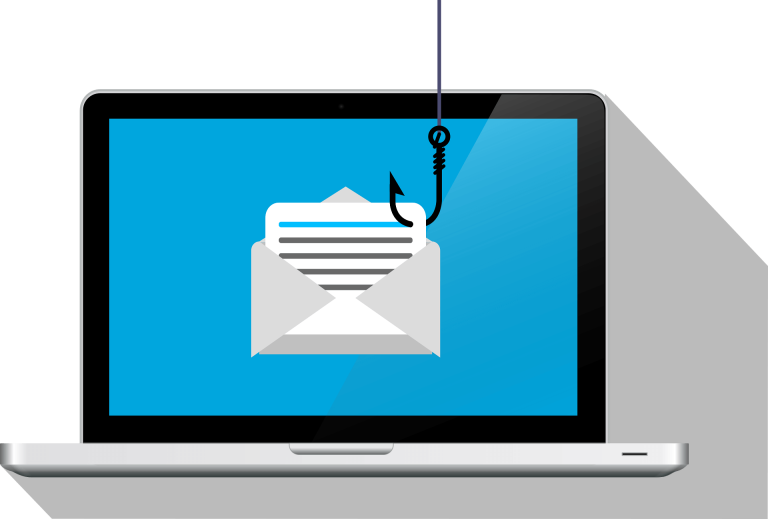
Different Kinds of Cyber Security Attacks
As cruise ships become more digitally connected, they also become more attractive targets for cybercriminals. From reservation systems to onboard Wi-Fi networks, there are multiple entry points attackers may attempt to exploit. Below are the most common types of cybersecurity attacks that target cruise lines and their passengers.
Phishing Attacks
Phishing is one of the most common threats facing cruise companies and travelers alike. Cybercriminals send fake emails or messages that appear to come from legitimate cruise lines, travel agents, or booking platforms. These messages often prompt recipients to “confirm” payment details, update booking information, or click on malicious links. For cruise passengers, this can lead to stolen credit card data or login credentials. For cruise companies, phishing can compromise employee accounts, giving attackers access to internal systems and sensitive databases.
Ransomware Attacks
Ransomware involves malicious software that encrypts a company’s data and demands payment to restore access. Cruise lines are attractive targets because they rely heavily on real-time booking systems, onboard transaction platforms, and operational software. If these systems are locked, it can disrupt reservations, guest services, and even port operations. Beyond financial loss, ransomware incidents can cause reputational damage and significant operational downtime.
Distributed Denial-of-Service (DDoS) Attacks
A DDoS attack floods a company’s servers with overwhelming traffic, causing websites or booking systems to crash. For cruise lines, this could disrupt online reservations, payment portals, or pre-cruise check-in platforms. During peak booking seasons or promotional campaigns, such attacks can result in lost revenue and frustrated customers. While DDoS attacks may not always involve data theft, they can severely interrupt digital operations.
Data Breaches
Data breaches occur when unauthorized individuals gain access to confidential information. Cruise lines store a large volume of sensitive passenger data, including passport numbers, payment details, and travel histories. A breach can expose this information, putting guests at risk of identity theft and fraud. In addition to harming passengers, data breaches can lead to regulatory penalties and long-term trust issues for cruise brands.
Man-in-the-Middle (MitM) Attacks
Man-in-the-Middle attacks happen when cybercriminals intercept communications between two parties without their knowledge. On cruise ships, unsecured or poorly protected Wi-Fi networks can create opportunities for attackers to intercept login credentials or financial transactions. Passengers using public onboard internet connections to access banking apps or personal accounts may be especially vulnerable if proper encryption is not in place.
Malware Infections
Malware refers to malicious software designed to infiltrate systems and cause damage. This can include spyware, trojans, and keyloggers. Cruise employees may unknowingly download infected attachments or software, allowing attackers to gain access to internal systems. Once inside, malware can spread across networks, compromise operational systems, or collect sensitive information without immediate detection.
Social Engineering Attacks
Social engineering relies on human manipulation rather than technical hacking. Attackers may impersonate IT staff, vendors, or even port authorities to trick crew members into revealing login credentials or granting system access. On cruise ships, where large crews operate across departments and time zones, social engineering can exploit communication gaps. These attacks are particularly dangerous because they target human trust instead of system vulnerabilities.
Payment Card Skimming and POS Attacks
Cruise ships operate cashless environments where passengers use key cards or wearable devices for onboard purchases. Attackers may attempt to compromise point-of-sale systems to capture payment data. While cruise lines implement strong security controls, cybercriminals continuously look for weaknesses in transaction systems to steal card information or intercept payment details during processing.
Insider Threats
Not all cyber threats come from outside the organization. Insider threats involve employees or contractors who intentionally or unintentionally expose sensitive data. This could include mishandling confidential files, using weak passwords, or deliberately leaking information. Given the large workforce onboard cruise ships and at corporate offices, managing internal access and permissions is critical to minimizing this risk.
Satellite Communication Exploits
Cruise ships depend on satellite communications for internet connectivity and coordination between ship and shore. If these communication channels are not properly secured, attackers may attempt to intercept or disrupt transmissions. Since ships operate in international waters and rely heavily on remote connectivity, protecting satellite links is a crucial part of modern maritime cybersecurity.
Book With Travel With Brigitte: Your Data's Safe With Us!
At our travel booking agency, we always treat our clients with the utmost respect, and we also keep sensitive information with the highest level of security and attention. And when it’s time to book your cruise line, you can depend on us to help you go through the booking process smoothly. With our years of experience working in the cruise industry, we have the knowledge to know the ins and outs of cruise booking, and even provide recommendations to make your cruise more enjoyable.
Email at bookings@travelwithbrigitte.com if you have any questions for us.