
How to Choose the Right Clothing for Your Cruise Vacation

Packing for a cruise means setting yourself up for comfort, confidence, and unforgettable moments at sea. The right outfit can make lounging on a sunny Caribbean deck feel effortless, while the wrong one can turn a breezy Alaskan evening into a shiver-filled regret. Warm-weather sailings call for breathable fabrics, swimwear, and light layers that handle sun and humidity with ease, while cooler itineraries demand cozy sweaters, weather-resistant jackets, and smart layering that keeps you comfortable from deck to dinner.
Even shoulder seasons can surprise you with shifting temperatures, which is why versatility is your best travel companion. In this guide, we will walk through how to choose clothing that fits your cruise destination, the season, and every activity in between, so you can focus less on what you packed and more on enjoying the journey.
Spring Cruises (March–May)
Spring sailings to places like the Caribbean or the Alaska shoulder season offer mild temperatures with noticeable day-to-night shifts. Mornings can feel crisp, afternoons pleasantly warm, and evenings breezy on deck. Lightweight layering is key, cardigans, denim jackets, breathable long-sleeve tops, and light trousers. Sundresses, polos, and comfortable walking shoes work well for port days. Bring one medium-weight jacket for sunset sail-aways and at least one slightly dressy outfit for onboard dinners.
Summer Cruises (June–August)
Summer cruises to destinations like the Bahamas or the Mediterranean are typically hot and humid. Breathable fabrics such as cotton and linen are must-haves. Pack shorts, tank tops, T-shirts, swimwear, sandals, and sun hats. Sunglasses and lightweight cover-ups will get daily use. Even though days are warm, dining rooms can be cool, so bring a light shawl or button-down shirt for evenings.
Fall Cruises (September–November)
Fall sailings to New England and Canada showcase cooler temperatures and beautiful foliage. Days may be comfortable, but evenings cool down quickly. Think long-sleeve tops, sweaters, dark-wash jeans, ankle boots, and a medium jacket. If your itinerary still includes warm ports, pack at least one warm-weather outfit and swimwear. Fall is all about adaptable layers.
Winter Cruises (December–February)
Winter can mean two very different packing lists. Tropical sailings to Mexico may still require summer outfits during the day, plus a sweater for breezy evenings. However, expedition or cold-weather routes to Antarctica demand insulated coats, thermals, waterproof pants, gloves, scarves, and sturdy boots. Strategic layering allows you to stay comfortable moving between heated interiors and icy outdoor decks.
Hurricane Season Cruises (June–November in the Atlantic)
Cruises in the Caribbean during hurricane season can bring sudden rain showers and stronger winds, even if storms never fully develop. Lightweight rain jackets, water-resistant shoes, and quick-dry clothing are smart additions. Pack a compact umbrella and extra casual outfits in case excursions get rescheduled. Breathable fabrics still matter, but moisture-management becomes the priority.
Dry Season Cruises (Tropical Regions)
Dry season in destinations like the Southeast Asia typically means hot, sunny days with minimal rainfall. Expect strong sun exposure. Lightweight, loose-fitting clothing, UV-protective tops, swimwear, sandals, and breathable evening wear are ideal. A light scarf or wrap can help when entering religious or cultural sites during shore excursions.
Rainy or Monsoon Season Cruises
Certain regions experience heavy seasonal rains. Expect humidity, frequent showers, and occasional muddy conditions during excursions. Waterproof jackets, quick-dry shorts or pants, moisture-wicking tops, and sturdy sandals or water-resistant sneakers are essential. Avoid heavy denim and slow-dry fabrics.
Polar or Expedition Season Cruises
Expedition sailings to remote areas like Antarctica or Arctic regions require serious cold-weather gear. Insulated parkas, base thermal layers, fleece mid-layers, waterproof outer shells, thick socks, gloves, and knit hats are non-negotiable. Even onboard, you’ll want comfortable loungewear and warm layers for observation decks. Packing here is less about fashion and more about function.
Shoulder Season Cruises (Between Peak & Off-Peak)
Shoulder season often delivers mild temperatures and fewer crowds in places like the Mediterranean. Weather can fluctuate daily, so layering remains your best strategy. Pack both light daytime outfits and warmer evening options. Closed-toe shoes are useful for walking tours, while a light jacket or blazer elevates your look for dinners.
Common Clothing Restrictions When On a Cruise Ship
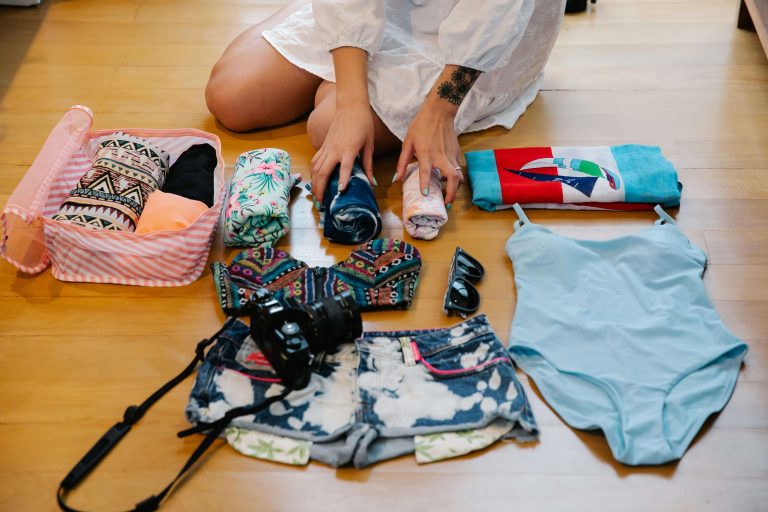
Packing for a cruise is exciting, but before you toss every favorite outfit into your suitcase, it helps to know that cruise lines do have dress guidelines. Think of it less as a strict school dress code and more as a way to maintain comfort, safety, and a certain atmosphere onboard. Cruise ships are floating resorts with fine dining venues, theaters, pools, gyms, and family spaces all in one place, so what works at the pool deck might not fly in the main dining room. Knowing the common clothing restrictions ahead of time saves you from awkward wardrobe changes and lets you enjoy your vacation without a fashion-related detour back to your cabin.
Here are the most common clothing restrictions you’ll find on many cruise ships:
1. Swimwear Outside Pool Areas
Swimsuits, bikinis, and swim trunks are generally restricted to pool decks and waterpark areas. Wearing wet swimwear in indoor restaurants, buffet lines, lounges, or elevators is usually not permitted. This rule keeps shared indoor spaces hygienic and comfortable for everyone. A simple cover-up, sundress, T-shirt, or shorts over your swimsuit is typically all you need to move freely around the ship.
2. Bare Feet in Public Areas
Most cruise lines prohibit walking barefoot in indoor public areas, including dining venues and shops. This is primarily for safety and sanitation reasons. Ships can have slippery surfaces, especially near pools, and footwear helps prevent accidents. Flip-flops, sandals, or casual shoes are usually perfectly acceptable.
3. Tank Tops and Sleeveless Shirts in Dining Rooms
On some cruise lines, especially during dinner service, tank tops and overly casual sleeveless shirts may not be allowed in main dining rooms or specialty restaurants. The goal is to maintain a slightly elevated dining atmosphere. Collared shirts, blouses, casual dresses, or smart tops are typically recommended for evening meals.
4. Ripped or Extremely Distressed Clothing
While casual cruise wear is widely accepted, clothing with excessive rips, tears, or offensive graphics may be restricted in dining venues and formal areas. Cruise lines aim to create a polished environment during certain events or dinner services. Mildly distressed fashion is usually fine during the day, but overly worn styles might not pass evening dress expectations.
5. Offensive or Explicit Graphics
Shirts or clothing featuring profanity, explicit imagery, or offensive language are generally not permitted in public areas. Cruise ships cater to guests of all ages and backgrounds, so maintaining a family-friendly environment is important. If you have a graphic tee that might raise eyebrows at a family reunion, it is probably best left at home.
6. Formal Night Requirements
Many cruise lines host formal or elegant nights. During these evenings, casual attire like shorts, flip-flops, baseball caps, and athletic wear may not be allowed in main dining rooms. Men are often encouraged to wear slacks and collared shirts or suits, while women may opt for cocktail dresses, evening gowns, or dressy separates. You do not necessarily need a tuxedo, but stepping it up a notch is expected.
7. Costumes Outside Designated Events
Themed nights are common on cruise ships, but wearing full costumes outside designated parties or events may be restricted. For example, elaborate masks or large costume pieces can pose safety concerns or block visibility in crowded areas. Keep themed cruise outfits appropriate and event-specific.
8. Pajamas in Public Dining Areas
While cruise ships are relaxed environments, pajamas and bathrobes are generally not permitted in public dining spaces. Loungewear may be fine around your cabin hallway or early-morning coffee runs, but proper daytime attire is expected in restaurants and entertainment venues.
9. Safety-Restricted Footwear
High platform heels or unstable footwear may not be advisable, and sometimes discouraged, especially during rough seas. While not always formally banned, some cruise lines may restrict unsafe footwear in certain activity areas. Stable, non-slip shoes are a safer bet when the ocean decides to remind everyone who’s in charge.
Make Your Cruise Trip Planning Worth It by Working With Travel With Brigitte
Before picking out what clothes you want to wear every day, you should reach out to Travel With Brigitte so that we can help book your cruise vacation. We have helped tons of clients with their cruise booking process, and made sure to go above and beyond for them. We can also help you find all sorts of amazing deals and promos to make your cruising even more fun and enjoyable.
You can reach out to by emailing at bookings@travelwithbrigitte.com so we can start with booking your next dream cruise vacation.